
Pool Equipment Pad Specifications
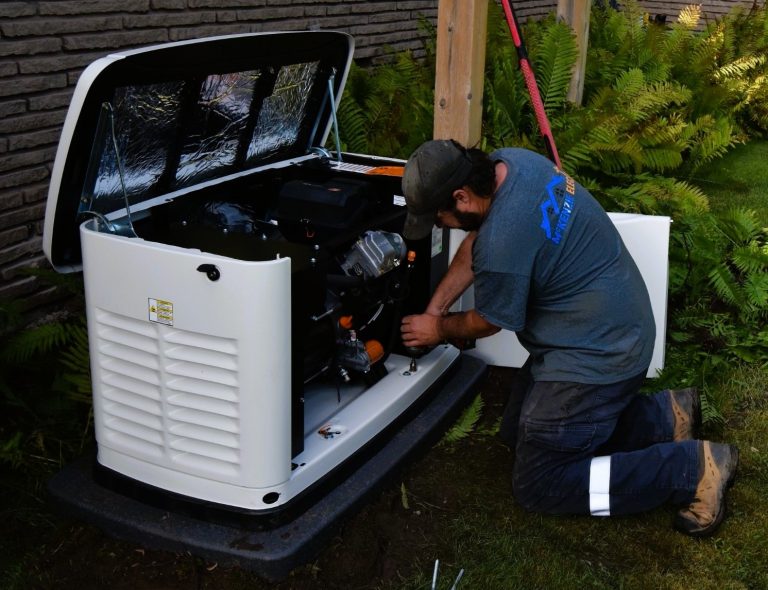
Hauling heavy concrete pads for every pool job gets old fast. Power Pad pool equipment pads are designed to make your installs easier without sacrificing strength or performance. Each pad weighs just 13.7 lb, but easily supports pool pumps, filters, and heaters. Made from polypropylene with an R12 insulation rating, they keep moisture and ground temperature swings from damaging your equipment. You can set one up solo in about 20 minutes and be on your way to the next job.
Technical Specifications
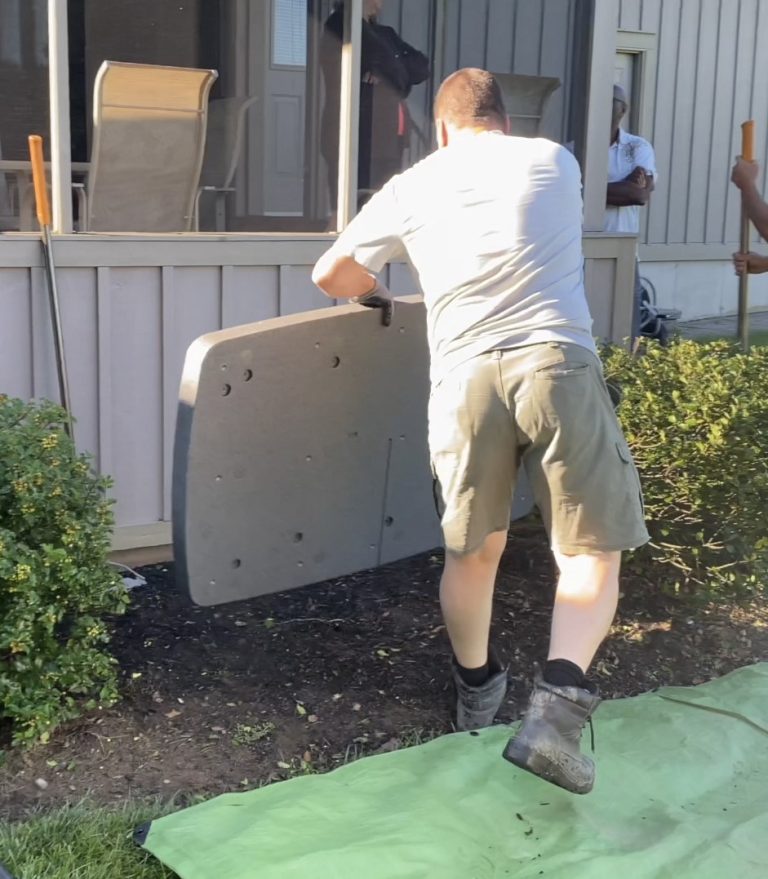
Our standard pool equipment pad measures 54″ x 31″ x 3″, giving plenty of surface area for most residential pumps, cartridge filters, and heaters. At just 13.7 lb, one person can move and position it with ease
Need more room? For larger systems like setups with dual pumps, heaters, or automation panels we can create a custom pad.
The polypropylene construction is built to outlast concrete. It resists chemicals such as chlorine, bromine, muriatic acid, and even refrigerant leaks that slowly eat away at traditional pads. You won’t deal with cracking, frost heave, or crumbling edges after a few seasons. And with R12 thermal insulation, it also shields sensitive components from temperature stress, helping electronic controls and compressors last longer.
Need a detailed spec sheet for your setup? Request one anytime.
Dimensional Options
Most standard residential pool systems – single pump, filter, and heater – fit perfectly on one 54″ x 31″ x 3″ The 3-inch height keeps everything elevated above grade, preventing puddling and improving drainage.
For installations that include heat pumps, spa jets, or automation controls we can make a custom pad. This gives you flexibility for future upgrades, like adding a salt system, ozone unit, or booster pump, without tearing anything up later.

Chemical Resistance Performance
Pool pads take more abuse than most people realize. Chlorine feeders drip, pumps weep, and heaters leak. Concrete absorbs those chemicals, weakens over time, and eventually starts to crumble.
Our pads are fully nonabsorbent and chemically inert. Chlorine, acid, and salt water don’t affect them, and refrigerant leaks won’t degrade the material. The result: pads that last 10 to 20 years or more, even in harsh pool environments.

Vibration-Damping Properties
Pool pumps naturally create vibration, especially high-speed variable models. Concrete tends to amplify that noise, sending it through the ground and into nearby walls.
Power Pad pool pads work differently. Its structure absorbs vibration, cutting down on noise and reducing stress on pump bearings and plumbing joints. In cold-climate regions like Ohio or Michigan, where ground movement from freeze-thaw cycles can stress equipment, that cushioning makes a big difference in long-term reliability.

Installation Requirements
Installation couldn’t be simpler. Prepare a level, compacted surface, the same way you would for concrete. Set the pad in place, level it, and start mounting your equipment – no mixing, no curing, no waiting.
For soft or sandy soil (common in Texas and California), a few inches of compacted gravel underneath helps with drainage and stability. You can also drill through the pad to secure equipment if local code requires anchoring; standard lag bolts hold firmly without cracking the material.

Why Installers Choose Power Pad
Lifting concrete pads week after week takes a toll on your back and slows down every install. Power Pad removes that strain completely; one person can carry and set a pad in minutes. No more waiting for help or juggling schedules.
That speed advantage means you get more installs done per day, without adding labor or risking injury. Light, durable, and built to last, Power Pad is the smarter foundation for modern pool systems.
