
Generator Pad Specifications That Actually Matter to Installers
If you install generators day in and day out, you know the hardest part of the job isn’t wiring – it’s forming, pouring, curing, and wrestling heavy concrete pads into place. That’s why Power Pad starts with a number that changes everything: 13.7 lb.
While others are hauling or pouring 200-lb concrete slabs, you can carry a Power Pad generator pad with one hand and still meet every performance and safety standard your job requires. Built from advanced polypropylene, these pads are engineered for strength, compliance, and long-term durability without the back strain.

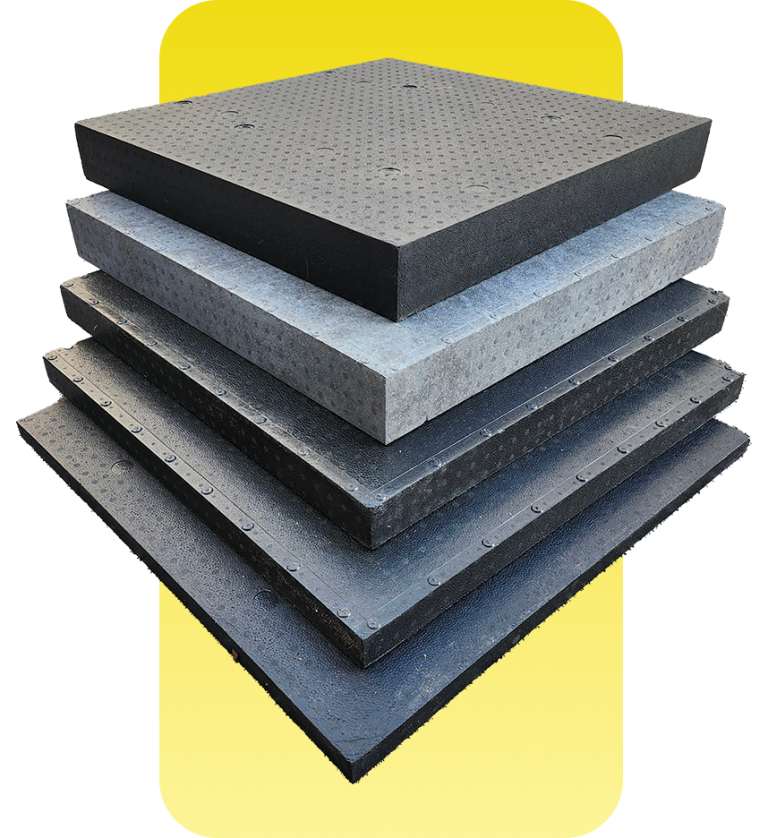
Material Specifications & Performance Data
Power Pad uses polypropylene engineered specifically for generator support applications. The material’s structure provides compressive strength while maintaining the lightweight profile installers need on job sites.
Core Material Properties
Weight: 13.7 lb
Load capacity: Supports generators 9 to 26kW air-cooled
Material: Self-extinguishing flame-retardant polypropylene
Insulation rating: R12 thermal protection
Electrical properties: 100% non-conductive
Chemical resistance: Resistant to oils, refrigerants, and common fluids
The material doesn't absorb moisture, won't crack in freeze-thaw cycles, and resists compression creep. These are the engineering specs that matter when installations need to last 15–20 years.
Generator Compatibility
Power Pad generator pads are built to fit major standby generator brands: Generac, Kohler, Honeywell, and Briggs & Stratton, among them. Each pad is universal to match all manufacturer’s bolt patterns and mounting layouts, so you can drop the generator right into place with no drilling or field modifications.
No warranty headaches, no guesswork – just a pad that fits like it should.
NFPA 37 Compliance & Safety Certifications
Meeting NFPA 37 fire-safety standards isn’t optional, and Power Pad makes it simple. The self-extinguishing, flame-retardant polypropylene won’t burn, melt, or support combustion, even during a fuel or equipment failure.
Concrete passes code by being inert, but it also conducts electricity when wet and offers no insulation. Power Pad goes a step further, combining code compliance with non-conductive, insulated protection for the generator and electronics. They’re also naturally resistant to mold, bacteria, and animal urine – the small details that prevent messy surprises years later.

Installation Requirements & Process
If you’ve prepped for a concrete pad, you already know 90% of what’s needed. Power Pad follows the same basic ground prep, just without the heavy lifting.
Typical Installation:
- Level and compact the site (crushed stone or gravel base works best)
- Set the pad by yourself, no machinery required
- Check level (within ½”)
- Mount the generator using ⅜” lag bolts
- Final inspection for clearances and stability
Start to finish, you’re looking at 35–70 minutes, compared to up to two hours for concrete, and you won’t need to coordinate an extra set of hands just to move the pad.
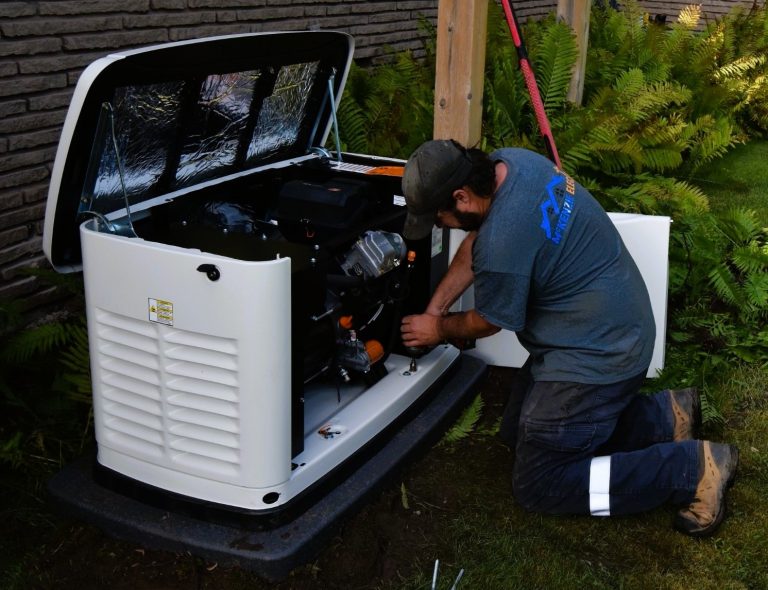
Performance vs Traditional Concrete
Let’s compare what you’re actually getting:
Weight handling
Power Pad: 13.7 lb, one person, no assistance
Concrete composite: 190 lb, two people minimum
Poured concrete: 150+ lb per cubic foot
Installation speed
Power Pad: 35–70 minutes total
Concrete pad: 60–120 minutes plus curing
Poured concrete can take 2 days including curing time
Vibration damping
Power Pad: Inherent cushioning reduces vibration
Concrete: Rigid material transmits vibration directly


Thermal insulation
Power Pad: R12 insulation protects electronics
Concrete: No insulation value
Electrical safety
Power Pad: Non-conductive under all conditions
Concrete: Can conduct electricity when wet
The specs tell part of the story. The rest plays out in how many generators you can install per day and how your back feels at the end of the week.
Shipping & Logistics Advantages
Lightweight construction changes shipping economics:
- Shipping weight: 13.7 lb vs. 190–275 lb for concrete
- Freight classification: Standard parcel vs. heavy freight
- Damage risk: Minimal, material absorbs impact
- Storage: Stackable design minimizes warehouse footprint
For dealers and distributors, lower freight costs, reduced storage space, and near-zero damage claims mean better margins. Installers can stock multiple pads without maxing out payload limits.

Get Specs for Your Next Install
Stop fighting with concrete when there’s a smarter option built for the way you work. Power Pad delivers the strength, compliance, and reliability you need – without the weight.
Contact us today to discuss your next generator installation or request technical data for your permits and designs.
Proudly supporting electrical, HVAC, and standby power installers across Texas, Michigan, California, North Carolina, and Ohio.
