
HVAC Pad Specifications for Professional Installations
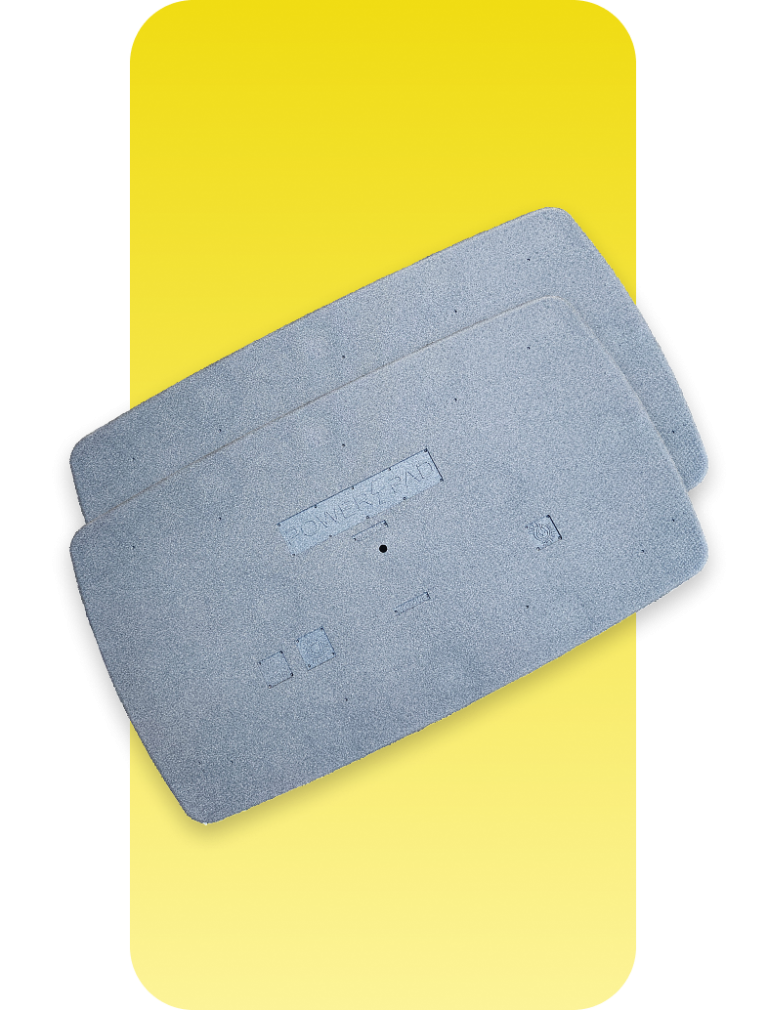
If you’re installing air conditioners every week, you already know the pad underneath makes a huge difference. Power Pad pads are built for the realities of HVAC work, combining strength, insulation, and vibration control in a lightweight design that saves your back and time.
Each pad is made from polypropylene, a tough, non-conductive material and weighs only 3.7–11.1 lb. You can carry it yourself, position it in minutes, and finish the job faster without giving up stability or protection.

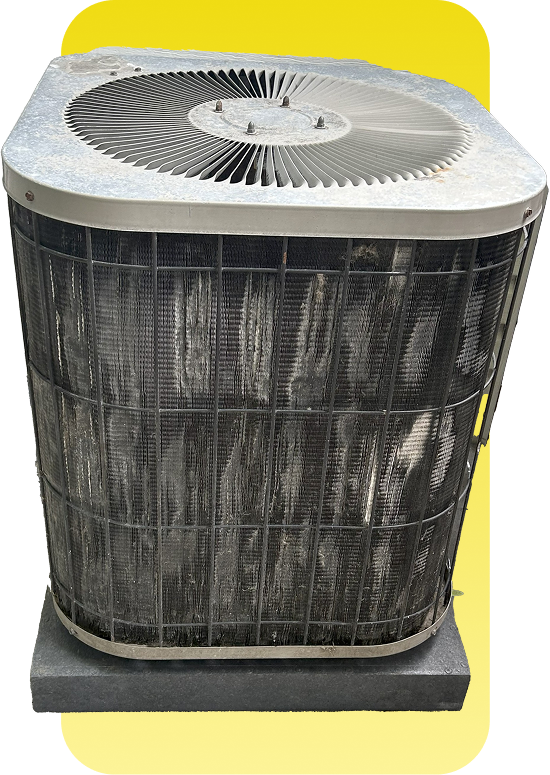
Engineered HVAC Equipment Pads: Size & Load Specifications
Power Pad HVAC pads are available in five standard sizes to accommodate various equipment configurations:
Available Sizes:
16" × 36" × 3"
Compact footprint for smaller condensers or tight installation spaces
24" × 24" × 3"
Square configuration for standard residential units
24" × 36" × 3"
Mid-range rectangular option for typical 2–3 ton systems
24" × 48" × 3"
Extended length for larger residential or light commercial units
36" × 48" × 3"
Maximum size for 4–5+ ton commercial HVAC systems
All pads maintain a consistent 3-inch thickness for optimal load distribution and ground clearance.
Non-Conductive Properties for Electrical Safety
Every HVAC installer has seen what happens when wet concrete becomes part of the circuit; it’s a real hazard. Power Pad eliminates that risk.
Our material stays completely non-conductive, even in heavy rain or high humidity. There’s no current pathway between the equipment and the ground. For seasoned installers, that kind of safety means more than specs – it means peace of mind and a longer career.
Vibration-Damping & Equipment Protection Specifications
Condensers vibrate. That’s just how compressors, fans, and refrigerant systems work. The real question is: does your pad absorb that energy or amplify it?
Power Pad isolates vibration through its cellular polypropylene structure, reducing:
- Loosened brackets and shifting units
- Noise transmission into walls or supports
- Component stress and refrigerant line fatigue
Concrete bounces vibration right back into the unit. Our pads absorb it, extending the life of compressors and keeping systems quieter.
The R12 insulation rating also keeps heat or cold from transferring through the ground.

Chemical Resistance & Weatherproofing Data
Outdoor equipment faces everything: oil drips, coil cleaners, fertilizers, and even animal urine. Where concrete or plastic degrades, Power Pad holds up.
Chemical Resistance:
Tested against:
- R-22 and R-410A refrigerants
- Mineral and synthetic compressor oils
- Acidic and alkaline coil cleaners
- De-icing salts and fertilizers
Power Pad HVAC pads maintain their structure and flexibility through exposure and temperature swings that ruin traditional pads.
Weatherproofing:
- UV resistant: No fading or breakdown after 50 years
- Freeze/thaw tested: Over 100 cycles without cracks
- Moisture absorption: <1.0%
- Operational range: -40℃ to 82℃

Installation Requirements & Site Preparation
Every solid installation starts with good prep.
Ground Prep:
Level and compact the area within ¼ inch. Clear away organic debris and, for most soils, lay a 2-inch gravel base for drainage and stability.
In clay soils, the gravel layer prevents heaving during wet seasons. For sandy soils, compacting the base helps stop gradual sinking.
Placement:
Each pad is light enough to be moved and set by one person. No machinery, no second set of hands – just position, level, and secure. The textured surface keeps units from slipping, and you install fasteners without pre-drilling.
Prep time matches concrete (about 30–60 minutes), but pad placement takes under 10 minutes instead of an hour, saving nearly an hour per install.
Why HVAC Contractors Switch from Concrete
Ask any installer who’s been in the trade for over a decade, and they’ll tell you: concrete pads take a toll.
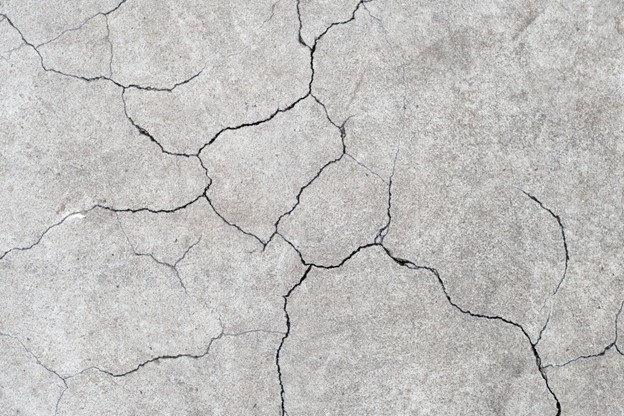
Concrete requires two people to move, eats truck space, and cracks over time. Power Pad HVAC pads are solo-installable, stack neatly, and handle everything from Texas heat to Michigan freeze-thaw cycles without breaking down.
More jobs per truckload. Less strain per day. Longer-lasting installs.
Get HVAC Pad Specifications for Your Next Installation
Power Pad serves HVAC professionals across Texas, Michigan, California, North Carolina, and Ohio with lightweight, high-performance pads built for real-world conditions.
Whether you’re setting a residential condenser or a commercial rooftop system, Power Pad delivers the strength, insulation, and reliability you need, without the physical cost of concrete.
