
Industrial Pads: Extra-Large Technical Support for Heavy-Duty Applications
When heavy equipment gets set down, the impact is real. You need a pad that won’t crack or crumble under the load. Power Pad industrial equipment pads take hits that would break concrete, carry massive loads without failing, and withstand the chemicals that corrode other products. That’s why facility managers and installers across Texas, Michigan, California, North Carolina, and Ohio choose our engineered solutions for their toughest environments.
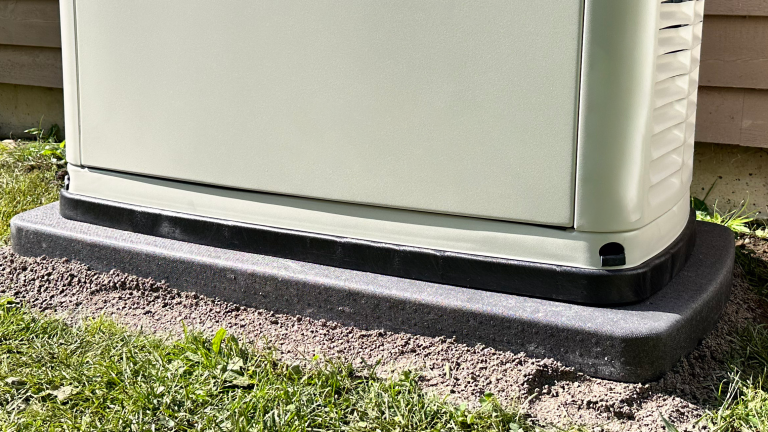

Superior Load Capacity and Impact Resistance for Heavy Industrial Equipment
Built for Impact
Industrial equipment isn’t gentle. Cranes drop loads. Forklifts collide with supports. Heavy machinery runs with constant vibration. Traditional concrete pads develop cracks under this punishment. Our pads are designed to take it.
High Load Capacity
Utilizing polypropylene technology, Power Pad absorbs direct impacts that would otherwise pulverize concrete alternatives. Each pad is capable of supporting up to 36,000 lb while weighing as little as 4.5 lb for a 24" × 24" x 3" pad.
Long-Term Reliability
For facility managers, the difference is long-term reliability. The material’s structure distributes weight evenly, preventing the stress fractures that are common with rigid materials. Performance stays consistent – day one through year ten.
Chemical Resistance That Survives Decades of Industrial Exposure
In most facilities, the concrete pads beneath equipment tell the story – stained, degraded, and crumbling from chemical exposure. Power Pad is different. Our industrial pads withstand acids, bases, solvents, and petroleum products that compromise traditional supports.
Field results back this up: our material is resistant to sulfuric acid from batteries, hydraulic fluid, coolant, and industrial degreasers. While concrete can fail within months, our pads continue performing for years without loss of strength. The non-porous surface doesn’t absorb, so chemicals stay on top, wipe clean, and don’t degrade the material. Facility managers frequently report that pads look nearly new even after years in harsh environments.
Engineered Longevity: 20+ Years of Service
Environmental factors often cause pad failure: freeze-thaw cycles, UV exposure, and moisture infiltration. Power Pad eliminates these weak points.
- Michigan: Installers report pads performing after years of winter extremes.
- Texas: Facilities see no deterioration in decades of heat exposure.
- California: Seismic activity produces no stress cracking.
This durability translates directly to budgets – one installation instead of multiple replacements, no equipment damage from failing supports, and fewer unplanned shutdowns.

Heavy-Duty Strength Without Heavy Installation
Despite its strength, a Power Pad industrial pad is easy to handle. Weighing just under 5 lb compared to 100-lb concrete alternatives, they can be transported, positioned, and installed by a single person.
Benefits for installers include:
- Transporting multiple pads in a standard service vehicle
- Carrying pads upstairs for rooftop installs
- Precise positioning without heavy equipment or large crews
Installation requires only a level surface and proper drainage. No concrete delivery. No cranes. No multi-person lifts. The installation time is reduced by about 75% compared to concrete.
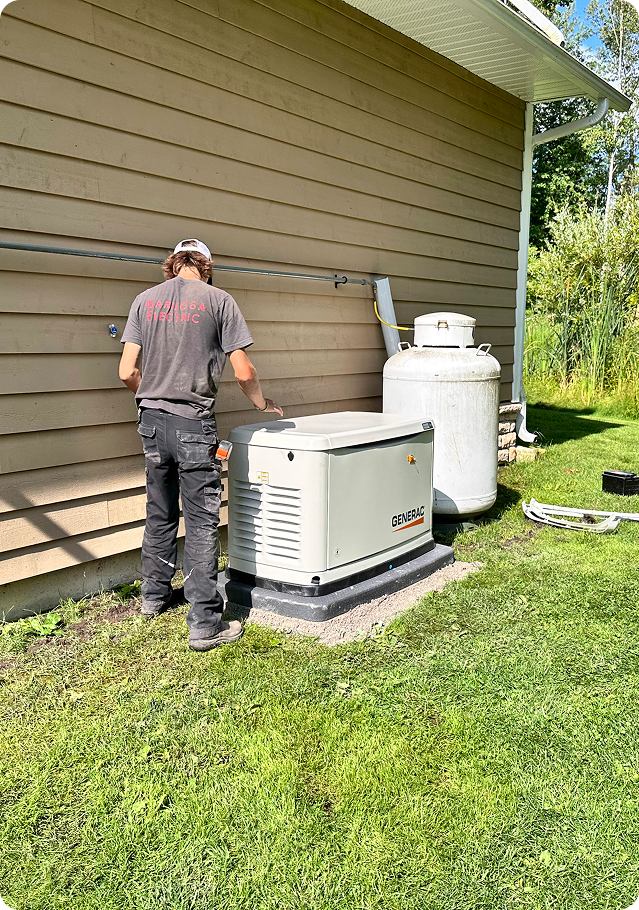
Impact Absorption Technology Protecting Your Equipment Investment
Drop the equipment during installation, and a concrete pad will crack. Our industrial equipment pads absorb impact energy through controlled deformation, dissipating forces that would shatter rigid materials.
This impact resistance extends equipment life. Vibration-damping reduces wear on bearings and components. Shock absorption prevents damage during maintenance operations. The durable surface of our industrial pads resists abrasion while the internal structure cushions your equipment.
Testing proves it: repeated impact tests, compression evaluations, drop simulations. Our technology maintains structural integrity through punishment that destroys competing products.

Built to Technical Standards You Can Trust
- Thermal Resistance (R-Value): 4.0 per inch
- Water Absorption: < 1%
- Compressive Strength: @ 5% strain :@23℃ = 63.8 PSI @50℃ =43.5 PSI @80℃ = 26.1 PSI
- Flexural Strength: 550 kPa
- Tensile Strength: 470 kPa
- Dimensional Stability: Thermal and humid aging: < 1% change
- Low Formaldehyde Emissions: < 0.1 ppm
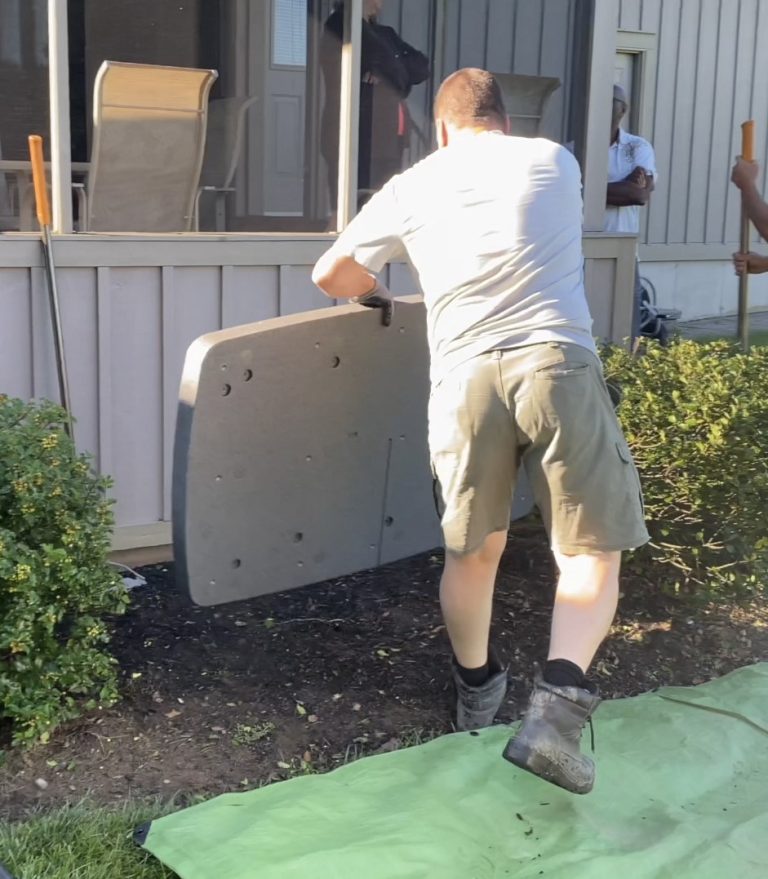
Why Professional Installers Choose Power Pad Industrial Equipment Support
Installers have seen it all: concrete pads requiring six people and a crane, composites cracking on impact, plastics warping under heat. Power Pad solves those issues.
Lightweight handling reduces labor costs and safety risks
Durable construction eliminates callbacks for pad failure
Superior performance makes jobs faster and more efficient
For facility managers, the benefits continue after installation: lower maintenance, safer handling, compliance with safety and environmental standards, and extended equipment protection.
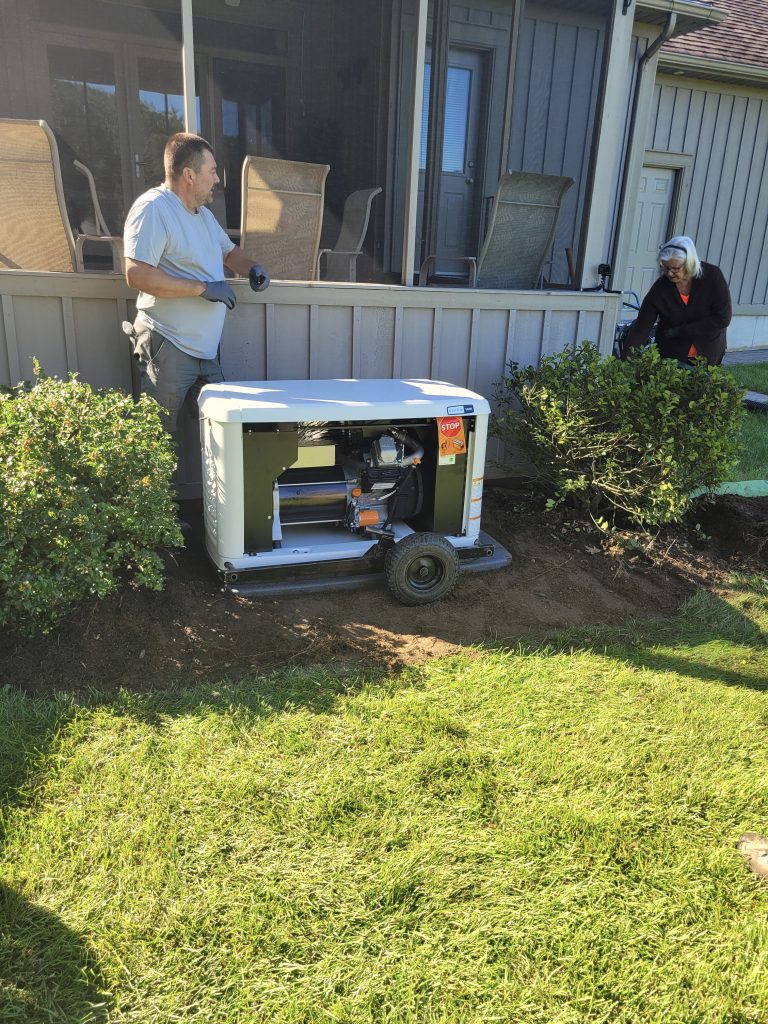
Facility Manager Benefits Beyond Initial Installation
Your choice of equipment pads impacts more than just your bottom line. Low-quality pads drive up maintenance costs, increase the risk of worker injuries, and can lead to expensive equipment repairs. Our industrial pads eliminate these recurring expenses while providing reliable, long-lasting support. They also make compliance simpler across the board: lightweight handling improves workplace safety, non-conductive materials meet electrical standards, recyclable construction supports environmental goals, and proper equipment support ensures insurance requirements are satisfied.
Transform Your Industrial Equipment Support Strategy
Equipment pad failure isn’t inevitable. Power Pad delivers a long-term solution in environments where concrete can’t compete.
From chemical plants requiring maximum resistance to manufacturers needing impact-proof stability, Power Pad combines lightweight installation with heavyweight performance.
Contact Power Pad today for detailed specs, pricing, and custom-engineered solutions.
